This summer I traveled from my home in Nevada to spend two months in the Arctic near the Brooks Range of Alaska as part of a Research Experiences for Undergraduates mentorship. I was there to study Gambel’s White-crowned Sparrows, small birds that have a wide range throughout North America that come up to the Alaskan tundra during the summer to breed and raise their young.
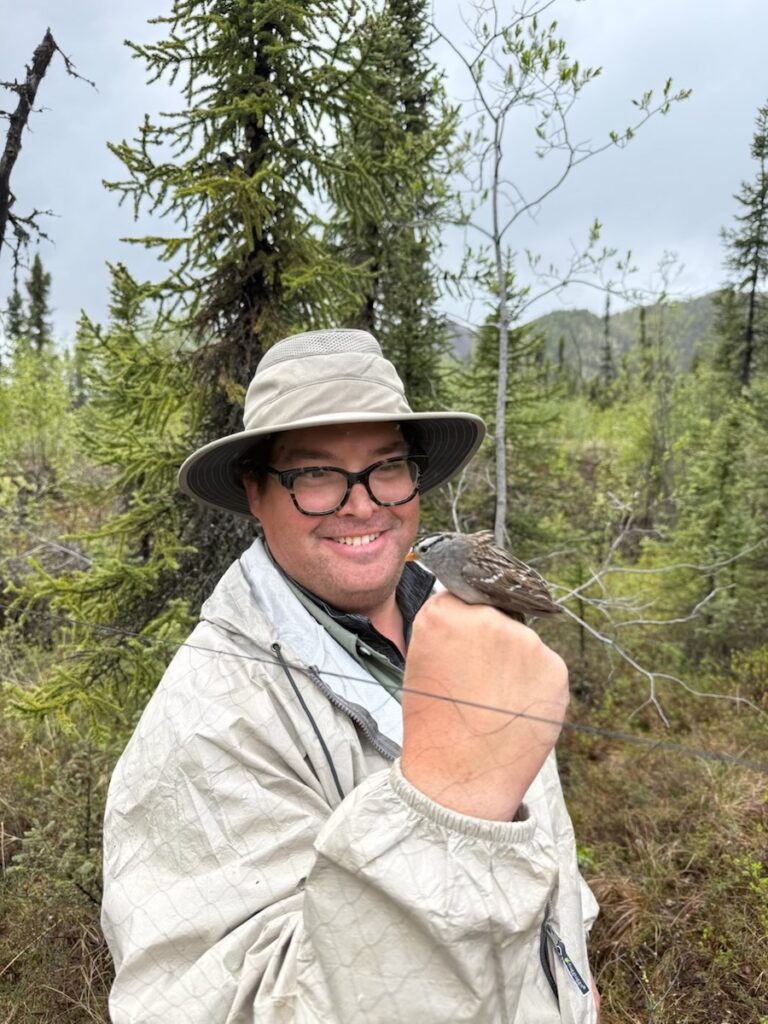
I’ve grown up seeing their white heads in parks near me, yet both the birds and I traveled up to Alaska for the summer independently of course! I couldn’t help but notice the parallels of my own summer traveling experience to theirs.
Even though I’m a late returning student in my 30s, I would never claim that I’ve seen it all, or that I wouldn’t be able to experience new things. I have traveled the world in the military and on personal trips, which left me at times feeling fairly solidified in who I am as a person. Due to my age and travels, I didn’t think that I would still be able to have an experience that would fundamentally change my view of where I am in life. I had previously never done research, but through my classwork I thought I knew what it took to be a scientist. I’m happy to say that this summer took that thought and laughably shattered it in a good way!
I felt a lot of apprehension about what I’d be doing in the Arctic, and the entire final week before my flight, I prepared by reading and buying equipment and clothing that I would need for the entire summer. Obviously, the birds don’t need to pack belongings to travel! Still, they mirrored my own preparation for migration in a different way, by packing on fat so they would have the stores necessary to make the long flight successfully. I was there to learn how to collect data and produce analysis; they were there to breed and produce nestlings.
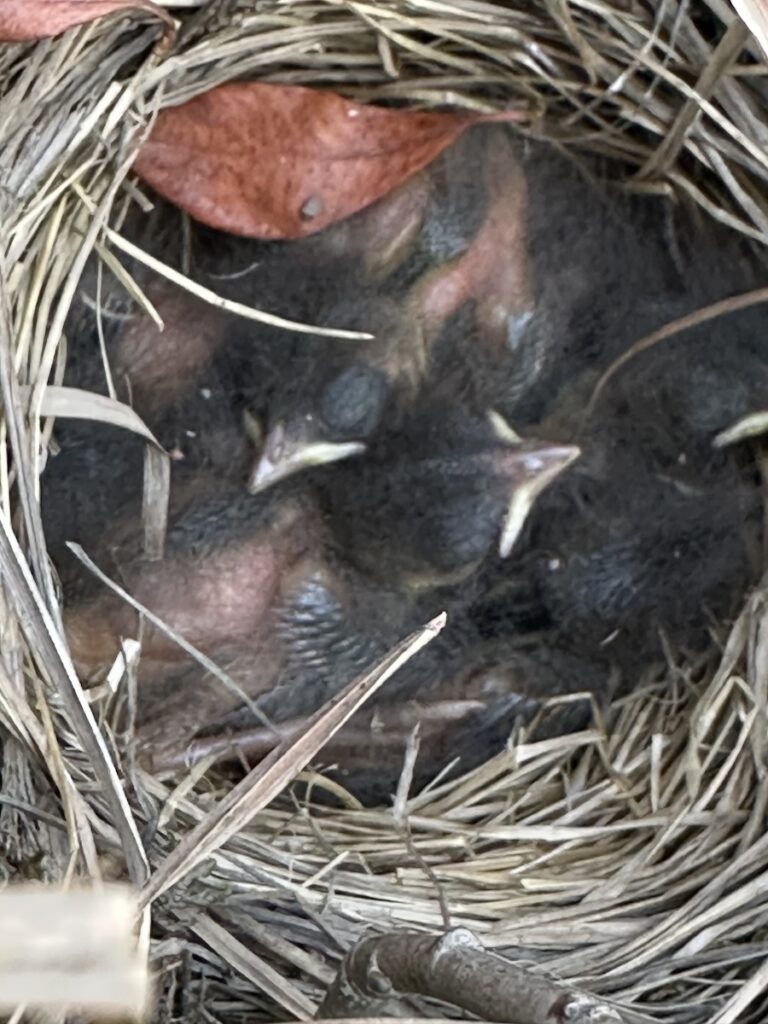
Once nestlings hatch, their parents provide for their every need until they are capable enough to leave the nests, and even then, they have much to learn from their parents. In essence they must learn to be birds. Originally, I thought I had more in common with the parents, until I came across my first occupied nest. I carefully picked up my first adorable baby bird and thought about how I was going through the same thing right then in learning to be a scientist.

As a baby scientist myself, I spent the first part of summer in the “nest” learning how to collect data and conduct research. Senior researchers such as Natalie Boelman and Linda Deegan would take time out of their work to talk to me and walk me through research techniques or explain why they did things in a certain way. They would tell me all about their journeys as scientists, start to finish, helping to mold me to one day become my own independent scientist. Like the nestlings, I was being trained and tried my best to emulate and retain all I was being taught.
After leaving the nest, a nestling becomes a fledgling, doing all they can to prepare for a life away from their parents. They must learn how to collect food, take care of themselves and eventually fly. The second part of the summer was when I took everything I had learned at the beginning and began applying it without direct supervision.

Similar to the fledglings, I had more freedom in movement and actions to continue collecting data on the sparrows. I grew more confident and proficient in the techniques I’d learned, such as catching them in nets, taking body measurements and collecting feather and fecal samples.

One behavior that fledglings begin to display as they get older is called flocking, where they will gather alongside other fledglings in small groups to interact with one another and begin to do small test flights. This allows them a safe space to learn together instead of flying solo. I was doing the same with other students, getting together to discuss our work and share small tips or tricks we were learning daily to overcome hurdles or barriers that were impacting our research.
As my time in the Arctic was coming to an end, so too was the breeding season for the sparrows. The adults and fledglings will migrate south for the winter and the fledglings that survive will return the next year to continue the cycle as parents-to-be. I also had to “migrate” south for the winter to resume my final semester as an undergrad, with the dream of returning next year as a graduate student to continue research on these sparrows who have captured a significant part of my heart. They still have many things to learn and figure out over the winter, just like I do as a fledgling scientist.
There will be growing pains and new experiences to overcome for both the birds and myself. We have to put into practice everything we’ve learned to make it through our first winter following the steep learning curve. I am beginning to process all the samples I collected and have much to do to analyze the data from this summer. I’ve been set up for success by everything I was taught and, unlike the birds, I’m still able to get more help from my fellow colleagues and scientists. Next year, those birds will be considered full adults, but for me, as a fledgling scientist, it’ll be a few more years before I can completely call myself a full scientist. Even when I finally achieve that goal, I will look back on this summer and remember that there will always be more to learn!