EVOME is creating structured interactions among scientists, students, and journalists to promote integrated biological research, and train the next generation of biologists. Our outreach initiatives aim to increase public understanding of both the importance of highly integrated biological science, and the specific findings it reveals.
Interdisciplinary Courses
We have created a novel cross-institutional, interdisciplinary Integrating Biology course that enables students to understand both the depth of individual disciplines and how to integrate across multiple levels of biological organization. The course includes graduate students, postdoctoral researchers, research assistants (RAs), and senior researchers and faculty to foster discussions across disciplines and universities in a shared learning setting.
Graduate Students
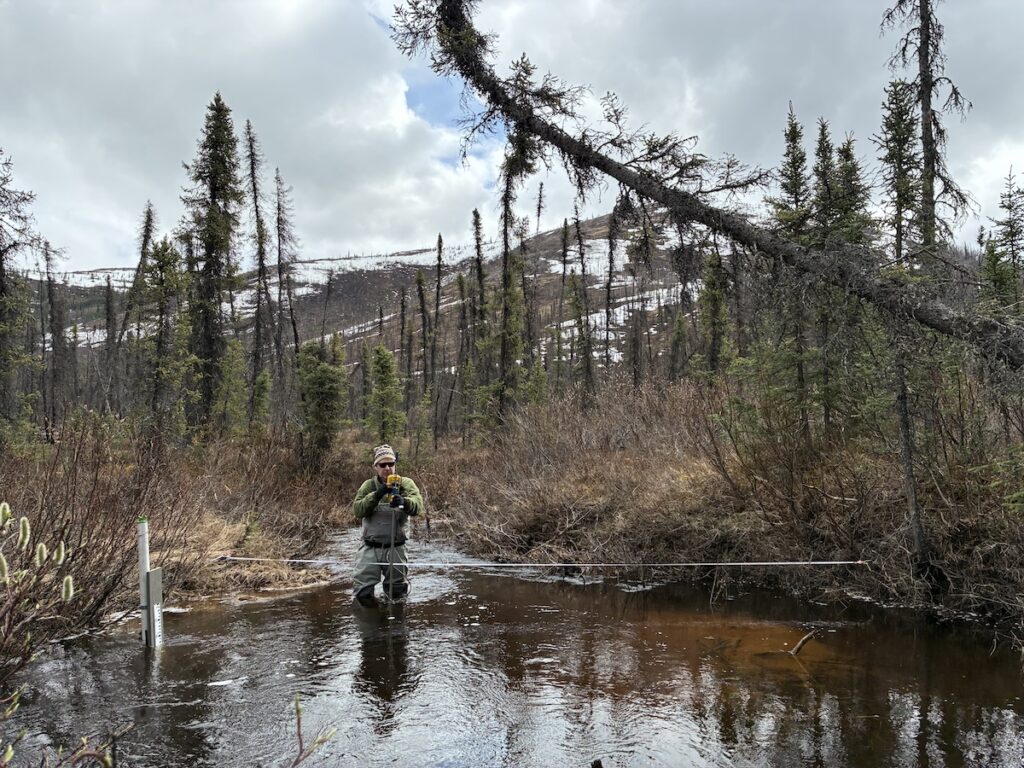
Master’s and Ph.D. candidates from multiple universities work on a variety of projects under EVOME, and are mentored by research leaders. Graduate students have the opportunity to apply for grants from the institute to lead their own interdisciplinary research projects. Some graduate students also mentor undergraduates (REUs) in their area of scientific expertise.
Learn more about the graduate students contributing to EVOME.
Research Experiences for Undergraduates (REU) Program
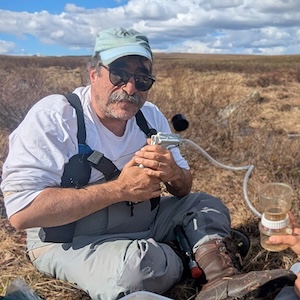
Eyes on the Arctic is EVOME’s REU research immersion program. Undergraduate students spend 8 weeks on a project contributing to EVOME while learning in a tiered mentorship program: they learn from their onsite mentors, a variety of graduate students, research assistants, and post-docs, as well as from the Principal Investigators from their home institution. Each student focuses on a unique piece of the EVOME puzzle while meeting regularly with their mentors.
Learn more about the undergraduate (REU) students contributing to EVOME.
Journalism Fellowship
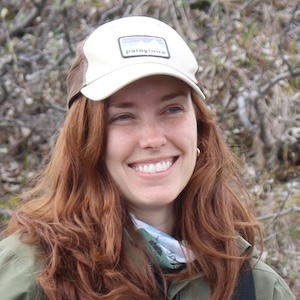
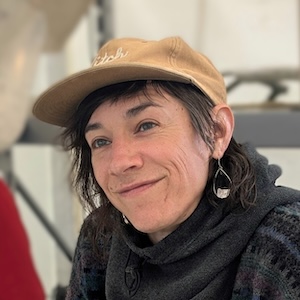
EVOME hosts a unique journalism fellowship, Biology Behind the By-lines, that brings accomplished journalists from around the world to the Arctic to experience interdisciplinary science firsthand. In 2026, six distinguished journalists joined us in the field, working alongside researchers studying climate change impacts across Arctic ecosystems.
Journalism Fellows immerse themselves in the fieldwork experience with EVOME. They operate as scientists and work together with project scientists across disciplines, learning firsthand how interdisciplinary research can address complex environmental challenges. Journalism Fellows also mentor early career researchers at Toolik Research Station through one-on-one workshops and trips into the field. They teach young researchers how to interact with journalists and get their stories told to a wider audience, bridging challenges commonly faced in science communications.